
Understanding the psychological triggers that drive gambling behavior
The Allure of Risk and Reward
The thrill of gambling is deeply rooted in the human psyche, primarily driven by the allure of risk and reward. The prospect of winning big can trigger feelings of excitement and euphoria. This emotion is often amplified by the intermittent rewards that gambling provides. Players may experience a rush when they win, reinforcing their behavior. This psychological reinforcement creates a cycle where players keep returning in hopes of recapturing that exhilarating feeling, effectively making it a compulsion for some. Additionally, if you’re looking for an exciting experience, you might consider visiting the Wettson casino in United Kingdom, where a variety of gaming options await.
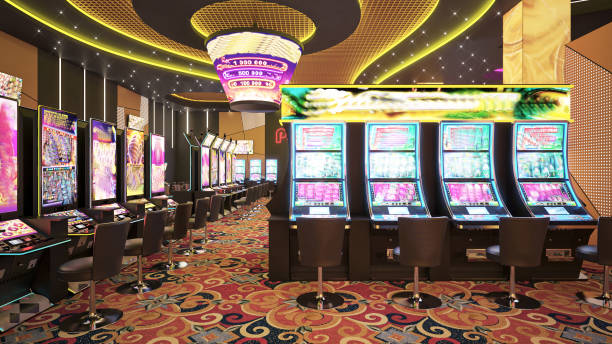
Moreover, the unpredictability of gambling outcomes plays a crucial role in maintaining this excitement. Players may find themselves engrossed in games that provide a sense of uncertainty, as it heightens their anticipation. The element of surprise—whether it’s hitting a jackpot or landing on a favorable card—fosters an emotional investment. This anticipation often overshadows the logical understanding of the odds, leading players to gamble more than they initially intended.
This cycle of risk and reward can develop into a habit that becomes difficult to break. As the brain associates gambling with positive feelings, the desire to chase these emotions can lead to reckless behavior. Individuals may find themselves wagering larger sums in pursuit of these fleeting moments of thrill, often losing sight of the potential financial consequences. This psychological trigger serves to ensnare many into the world of gambling, making it crucial to understand its mechanics.
The Role of Social Influence
Social dynamics significantly shape gambling behavior, with peer pressure and cultural norms playing pivotal roles. Many individuals are introduced to gambling through friends or family, often creating a sense of communal excitement. This social interaction reinforces the idea that gambling is a fun and acceptable form of entertainment. The presence of others may encourage individuals to gamble in settings like casinos or online platforms, where collective enthusiasm amplifies their actions.
Furthermore, social validation can make gambling appear less risky. When individuals see others winning or enjoying their experiences, they may feel compelled to join in, believing they can replicate that success. This environment can create a herd mentality, where individuals are more likely to gamble because their peers are doing so. The thrill of shared experiences can overshadow individual reservations, making it easier to lose track of limits and financial boundaries.
In addition to peer pressure, social media also plays a crucial role in promoting gambling behavior. Online platforms can showcase winning moments, often glamorizing gambling as an easy way to achieve wealth or excitement. The dopamine rush from likes and shares can further entrench this behavior, leading to increased participation and a normalized perception of gambling in society. Understanding these social influences is essential in addressing gambling addiction and promoting responsible gaming.
Cognitive Biases and Distorted Thinking
Cognitive biases heavily influence gambling behavior, leading to distorted perceptions of risk and reward. One common bias is the «Gambler’s Fallacy,» where individuals believe that past events will influence future outcomes. For example, if a player has lost several times in a row, they may believe that a win is imminent, resulting in irrational decision-making and increased wagers. This flawed reasoning not only fuels gambling behavior but can also lead to significant financial losses.
Another cognitive distortion is the illusion of control, where gamblers believe they have the ability to influence outcomes through their actions or strategies. This can be particularly evident in games of skill, where individuals feel their expertise will grant them an edge. This illusion can encourage riskier behavior, as players overestimate their chances of winning, ultimately reinforcing their engagement in gambling. This cognitive bias plays a crucial role in driving habitual gambling behavior.
Lastly, the tendency to remember wins over losses, known as selective memory, also perpetuates gambling behavior. Gamblers may vividly recall their winning experiences while downplaying or forgetting their losses. This selective recollection fosters a false sense of confidence, leading players to continue gambling with the hope that they can replicate past successes. Understanding these cognitive biases is vital for recognizing and mitigating the psychological triggers that can lead to problematic gambling behavior.
The Impact of Marketing and Promotion
Marketing strategies in the gambling industry are meticulously crafted to exploit psychological triggers, enhancing their appeal. Promotions, bonuses, and advertisements often highlight the potential for massive winnings, creating an enticing image of gambling as a lucrative pastime. This marketing approach can evoke strong emotional responses, drawing individuals into the gambling world by emphasizing the thrill of the experience over the financial risks involved.
Furthermore, the use of gamification techniques in online casinos serves to enhance user engagement. Features such as leaderboards, achievements, and rewards mimic gaming experiences and tap into players’ competitive instincts. This element of competition can further intensify the desire to gamble, as individuals seek to prove their skills or achieve higher ranks among peers. The combination of emotional appeal and gamification creates an environment conducive to frequent gambling, reinforcing the cycle of behavior.
Ultimately, the strategies employed by gambling operators aim to create a sense of urgency and fear of missing out (FOMO) among potential players. Limited-time offers or exclusive bonuses can pressure individuals to act quickly, bypassing rational decision-making processes. This marketing model thrives on psychological triggers, encouraging impulsive behavior and contributing to the normalization of gambling as a recreational activity.

Responsible Gaming at Wettson
Wettson understands the complexities of gambling behavior and prioritizes responsible gaming for its players. The platform is committed to fostering an engaging yet secure environment, equipped with tools to promote healthy gambling habits. Players are encouraged to set limits on their deposits, wagers, and losses, helping them maintain control over their gaming experiences. This proactive approach aims to mitigate the risks associated with gambling, especially for individuals susceptible to psychological triggers.
Furthermore, Wettson offers resources and support for players who may be struggling with gambling-related issues. The website features information on responsible gaming, including tips for recognizing problem behavior and accessing help. By providing transparency and support, Wettson seeks to empower players to make informed decisions, encouraging them to enjoy gambling as a form of entertainment rather than a means of escape.
In addition to promoting responsible gaming, Wettson embraces a broad range of gaming options to appeal to diverse player preferences. With a generous welcome offer and a varied selection of games, the platform aims to provide an engaging experience while prioritizing player safety. This dedication to responsible gaming underscores Wettson’s commitment to creating a balanced environment where players can enjoy the thrill of gambling while being mindful of their behavior and choices.